16 November, 2026, 09:10 pm

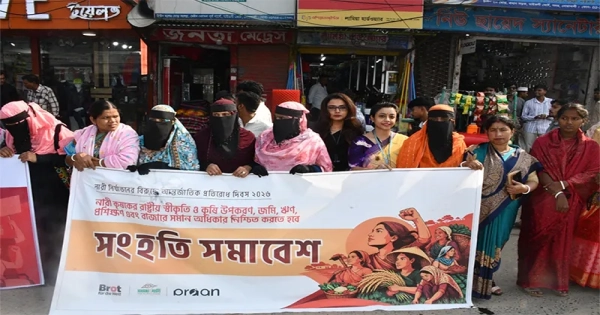
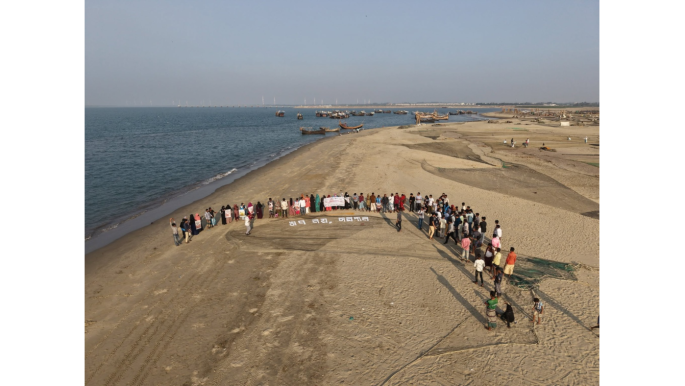
Fishers, women working in dried-fish processing, and young volunteers gathered in Nazirar Tek, Cox's Bazar, to demand direct grants for communities affected by climate change and local ownership of renewable energy projects.
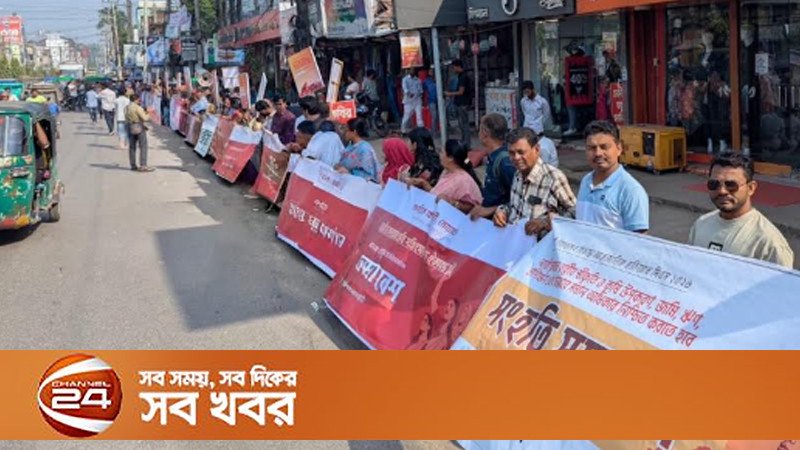
More than 100 volunteers, fishers, dried-fish workers, young people and other coastal residents joined the solidarity event in the first week of COP31, according to the press release. It was part of the nationwide campaign "From Field Ridges to Antalya: Farmers' Rights in a Just Transition". The UN climate conference is taking place in Antalya, Türkiye, from 9 to 20 November 2026.
The Food Security Network (Khani), Bangladesh Working Group on Ecology and Development, Coastal Livelihood and Environmental Action Network, Participatory Research and Action Network, Youth Action for Justice and Development (JYDA Bangladesh), We Can Cox's Bazar and Youth Cooperative and Civil Society jointly organised the event.
Shahrukh Karim, executive director of JYDA Bangladesh, said changing sea conditions, natural disasters, insecure livelihoods and financial hardship were making life harder for fishers, dried-fish workers and marginalised coastal communities.
"People who have contributed least to the climate crisis are being asked to shoulder the burden of debt. We want communities affected by climate change to receive direct grants instead of loans, get technical support and have a meaningful say in decisions," he said.
For a symbolic protest, organisers hung hundreds of cloth tags marked "Loan" or "Grant" on a large fishing net. Fishers, women working in dried-fish processing and young volunteers removed the loan tags one by one and replaced them with grant tags. Participants also wrote their demands and attached them to the net before raising it together and forming a human chain.
Speakers urged COP31 negotiators to increase climate adaptation finance and allocate funds for agriculture, fisheries and food systems based on local needs. They called for the money to reach small-scale fishers, farmers and marginalised communities directly as grants.
They also called for fishing co-operatives, women workers and community organisations to have an ownership stake and a role in running renewable energy projects that support coastal livelihoods, including solar-powered ice plants, fish storage facilities and dried-fish processing operations.
Speakers urged Bangladesh to give fishers, farmers and coastal communities meaningful representation in its National Adaptation Plan, nationally determined contribution and international climate negotiations.
The organisers said international negotiations should reflect the experiences and demands of coastal fishers, women working in dried-fish processing and young people. They called for climate finance to reflect local needs and for affected communities to have a say in how funds are managed and spent.
This archive indexes coverage published by other media. Copyright remains with the original publisher.